What to pack for a perfect Uganda Safari Holiday
By admin • August 18, 2025
What to pack for a perfect Uganda Safari Holiday
Dress for the Wild: Clothing Choices That Enhance Your Safari Experience
When preparing for your Uganda safari with African Sacred Ibis Adventures, your wardrobe choices can dramatically influence your comfort, mobility, and wildlife interaction. Uganda’s ecosystems are incredibly diverse—from the open savannahs of Murchison Falls to the misty jungles of Bwindi—so your clothing must be versatile and functional across varying terrains and weather conditions. First, stick to neutral tones like olive green, khaki, tan, or brown. These colors allow you to blend into the natural surroundings, minimizing your presence to wildlife and maximizing your chances of incredible sightings. Avoid bright or fluorescent colors, as they can alert animals to your presence or attract insects. White clothing is also discouraged due to how easily it becomes dirty and how much it reflects light. It’s equally important to avoid camouflage patterns, as these can be legally restricted in Uganda due to associations with the military.
Choose lightweight, breathable fabrics such as cotton, linen, or specialized moisture-wicking materials. These help regulate your body temperature and dry quickly after sweating or sudden rain. We highly recommend packing long-sleeved shirts and full-length trousers, even though Uganda is near the equator. These garments not only protect against harsh sun exposure but also act as a barrier against mosquitoes, ticks, and thorny vegetation. Uganda’s weather can be unpredictable, especially in rainforest regions, so a light, waterproof rain jacket is essential. Look for one that packs small and is easy to carry in your daypack. For footwear, well-broken-in hiking boots are a must. Gorilla trekking in Bwindi, nature walks in Kibale, or exploring Queen Elizabeth National Park demand sturdy, closed-toe footwear that supports your ankles and grips on slippery or rocky trails. For relaxation at the lodge, bring comfortable sandals or slip-ons—something easy to wear after a long day on your feet.
Protection from the sun is non-negotiable. A wide-brimmed hat shields your face, ears, and neck, while polarized sunglasses reduce glare during game drives. The sun can be intense, even on overcast days. Packing a swimsuit is also smart—many lodges have pools, and some properties near lakes like Bunyonyi offer scenic swimming spots where you can unwind after a day filled with awe-inspiring wildlife encounters. Don’t forget to include a set of lightweight sleepwear, particularly for cooler nights in higher altitudes like Bwindi or Mgahinga. With proper planning and intentional clothing choices, your safari outfit won’t just be functional—it will make you feel confident and comfortable as you connect deeply with Uganda’s wild beauty, guided by African Sacred Ibis Adventures.
Essential Safari Equipment and Must-Have Items
A successful safari in Uganda is not just about what you wear, but also about the tools and gear you bring along. At African Sacred Ibis Adventures, we emphasize preparedness without excess. Everything you pack should serve a purpose, particularly when space is limited in safari vehicles and domestic flights have luggage weight restrictions. Start with a durable, compact daypack—this will accompany you on treks, nature walks, and long game drives. It should be light on your back but spacious enough for your daily essentials: water, snacks, camera, sunscreen, insect repellent, and any personal items you might need on the go.
Next, binoculars are absolutely essential for a deeper wildlife experience. Whether you’re spotting tree-dwelling primates in Kibale, watching lions across the savannah, or birdwatching in Mabamba Swamp, a good pair of binoculars will bring the action closer and heighten your connection to the environment. Pair that with a camera or smartphone with a good zoom, along with extra batteries, memory cards, and charging cables. For serious photography enthusiasts, consider a lightweight telephoto lens, but only bring what you can carry comfortably. Lodges may offer charging stations, but power may not always be available during off-grid travel, so portable power banks or solar chargers are useful additions.
Staying hydrated is critical in Uganda’s heat. Bring a reusable water bottle or hydration bladder that you can refill each day before setting out. Many lodges supply safe drinking water, and using your own bottle helps reduce plastic waste. Also pack a broad-spectrum SPF 30+ sunscreen, lip balm with sunblock, and quality insect repellent containing DEET or picaridin. These protect you from sunburn and insect bites, both of which are common in tropical climates. A small personal first-aid kit should include painkillers, plasters, antiseptic wipes, allergy medications, and any prescription medications. Travel with copies of your prescriptions just in case you need a refill or encounter customs checks.
Another underrated item is a headlamp or small flashlight. Many lodges run on solar power and may not have strong lighting at night. A headlamp is perfect for walking from your room to the dining area after dark or for reading in bed. A universal travel adapter is necessary for charging your devices; Uganda uses UK-style plugs (Type G), and power surges can occur, so consider a surge protector if you’re bringing sensitive electronics. Other smart additions include wet wipes or hand sanitizer, zip-lock bags for keeping electronics dry, and a notebook or travel journal to jot down wildlife sightings or memorable moments during your trip. Each item in your safari kit should help you stay safe, focused, and immersed in the incredible experiences that await—crafted thoughtfully by African Sacred Ibis Adventures.
What to Bring, What to Leave, and Travel Tips
Smart safari packing isn’t about bringing everything—it’s about bringing the right things. At African Sacred Ibis Adventures, we encourage travelers to pack with intention, avoiding clutter while ensuring you have everything needed for a seamless journey. The golden rule: don’t overpack. Most lodges and camps offer laundry services, especially for longer stays, so you can recycle outfits without hauling an excessive wardrobe. Soft-sided duffel bags or backpacks are ideal, especially for fitting into the limited cargo space of safari vehicles or chartered bush flights. Hard-shell luggage can be cumbersome and may not be accepted on some domestic flights due to space restrictions.
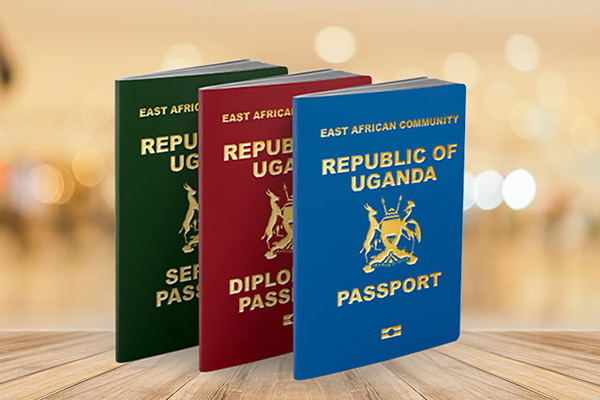
Start by preparing a well-organized document pouch. This should contain your passport, visa (if required), travel insurance information, flight tickets, safari itinerary, and any special permits (such as gorilla or chimpanzee trekking permits, which are mandatory for primate tracking). Make both physical and digital copies of these documents. Keep a small amount of local currency (Ugandan Shillings) for tipping drivers, guides, or buying handmade souvenirs at village markets. Many lodges accept card payments, but rural areas often do not. US dollars in small denominations are also widely accepted for tips and entry fees—ensure bills are crisp and issued after 2009.
Avoid bringing expensive jewelry, flashy accessories, or excessive electronics. Safaris are about disconnecting from modern distractions and reconnecting with the natural world. There’s little need for laptops, tablets, or hairdryers. If you’re not a professional photographer or digital nomad, one well-equipped smartphone can handle navigation, journaling, and photography. Pack a few sets of earplugs, not because the bush is noisy in an urban sense, but because the nighttime orchestra of frogs, insects, and nocturnal animals can be surprisingly loud. Earplugs can help light sleepers get better rest after long travel days.
Also, avoid items that could be misinterpreted or culturally insensitive. Camouflage clothing, for example, is associated with military personnel in Uganda and is not appropriate for civilian travelers. Similarly, bright neon colors may distract wildlife and make you more visible than you’d like. Remember, you’re a guest in nature’s home—let your presence be respectful and unobtrusive. A small, respectful gesture like learning a few local words in Luganda or Runyankole also goes a long way in connecting with people you meet.
Ultimately, your safari experience with African Sacred Ibis Adventures is meant to be transformative. Packing thoughtfully means you’re prepared not only for the logistics of the journey, but also for the emotional depth that comes with witnessing the untamed beauty of Uganda. Every item you leave behind makes room for something more valuable—flexibility, curiosity, and the thrill of adventure.









We'll get back to you within 24-48 hours.
Direct inquiries: info@africanibisadventures.com | +256 709 702 685