Uganda’s National Parks
By admin • August 21, 2025
Uganda’s National Parks
Uganda isn’t just a country; it’s a living, breathing symphony of ecosystems. From waterfalls that thunder into the Nile to ancient forests echoing with the calls of primates, this small East African nation offers a diversity of landscapes and wildlife encounters found nowhere else on Earth. Forget what you’ve read on every other travel website — Uganda is not simply another safari destination. It is Africa’s best-kept secret, where every national park holds a different chapter of a wild story still being written.
Murchison Falls National Park
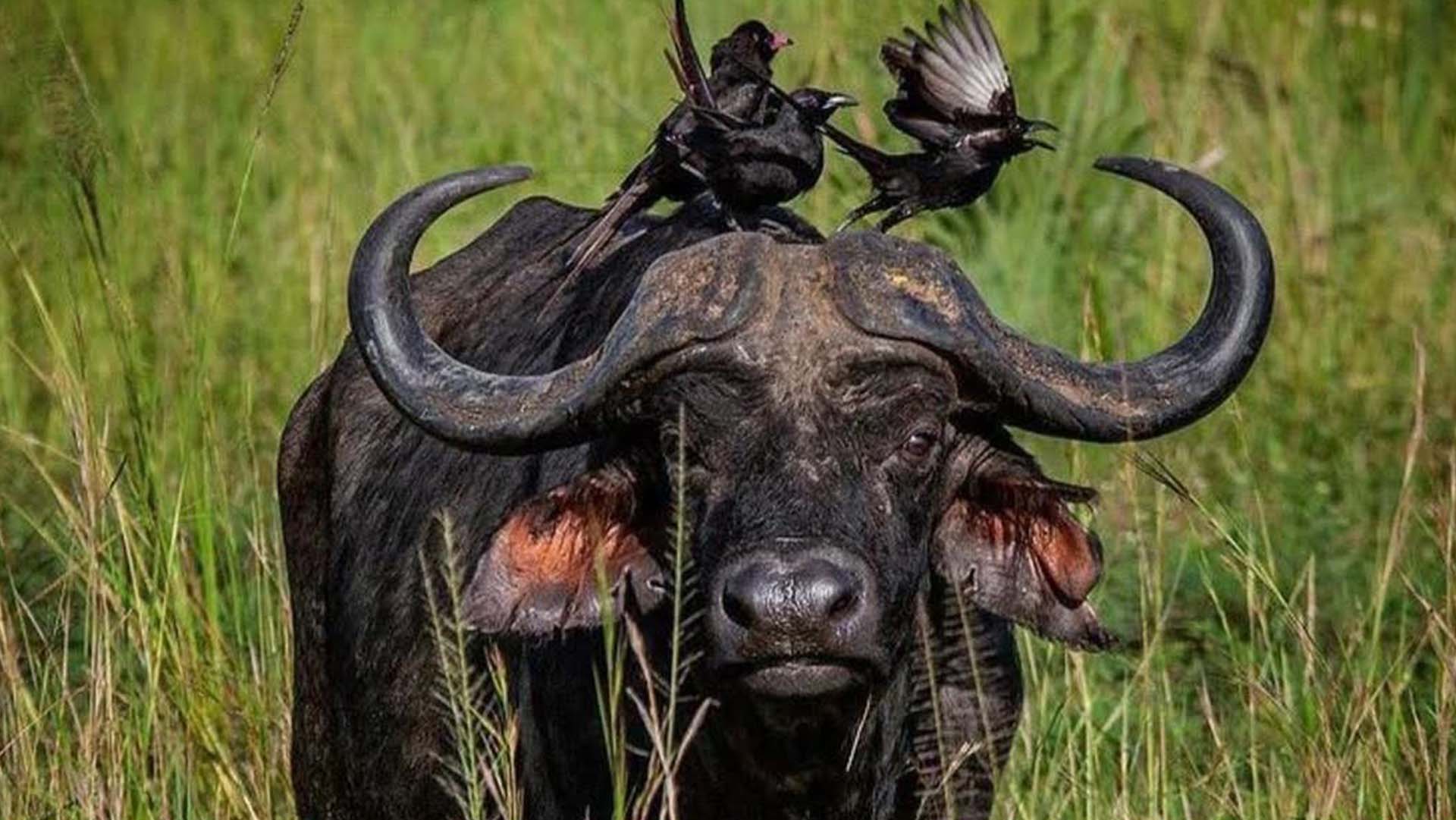
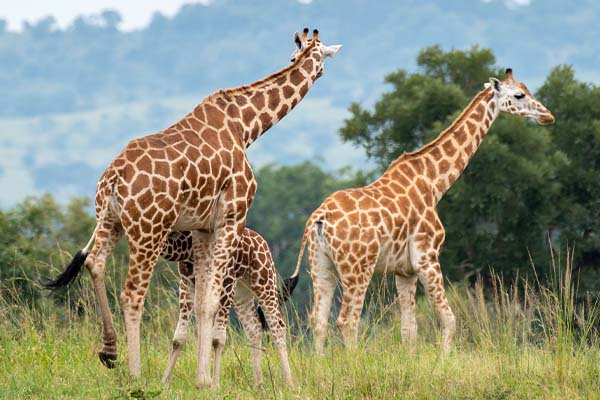
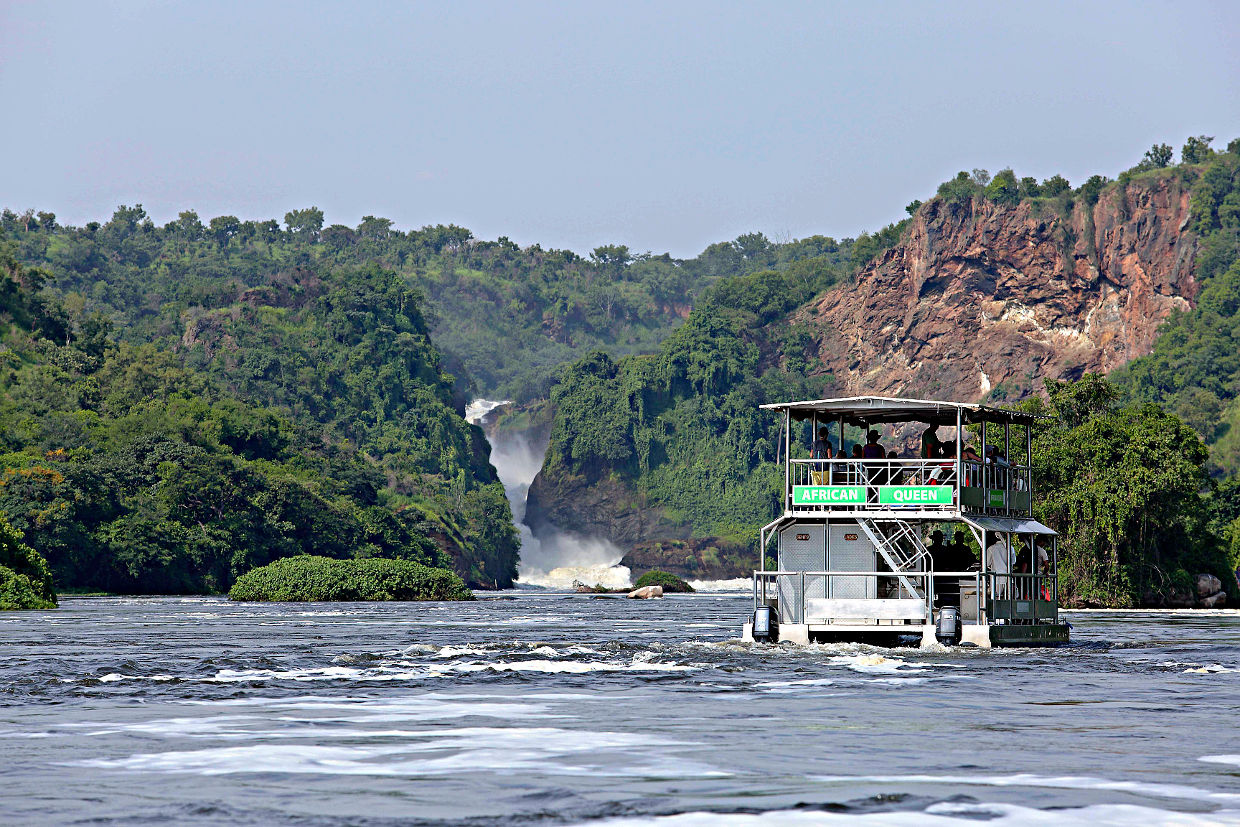
Welcome to the oldest and largest national park in Uganda, where the mighty Nile squeezes itself through a 7-meter rock crevice before tumbling 43 meters below in a deafening spectacle known as Murchison Falls. You don’t just visit this park; you feel it. You hear the boom of the falls in your chest, see the spray from miles away, and feel nature’s raw energy on a boat safari drifting upriver toward the base. Along the banks, Nile crocodiles sunbathe like prehistoric relics, while elephants and buffaloes drink from the shallows. On game drives, giraffes stride across the savanna, lions lounge under acacia trees, and hundreds of bird species — including the rare shoebill stork — command the skies. Murchison Falls isn’t just about wildlife; it’s about scale, sound, and sensation. It’s a reminder that nature still has the power to humble us.
Bwindi Impenetrable National Park
High in the misty mountains of southwestern Uganda lies a forest so thick and ancient it earned the name “Impenetrable.” Bwindi is not a zoo, not a neatly packaged experience for mass tourism. It is real, rugged, and deeply spiritual. This is where some of the last remaining mountain gorillas roam — not in cages, but in family groups that have lived in these dense forests for generations. Trekking here is a physical and emotional journey. You hike through steep, tangled terrain, often in silence, until suddenly you come face to face with a 400-pound silverback, his dark eyes full of intelligence and calm. Time slows. You realize he is watching you just as much as you are watching him. This moment — raw, unscripted, unfiltered — is what Bwindi offers. But the park is more than gorillas. It’s a haven for endemic birds, butterflies, and medicinal plants. It’s an ecosystem millions of years old, pulsing with life and mystery.
Queen Elizabeth National Park
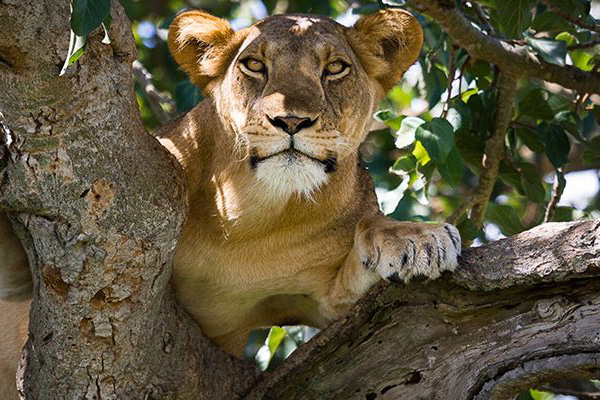
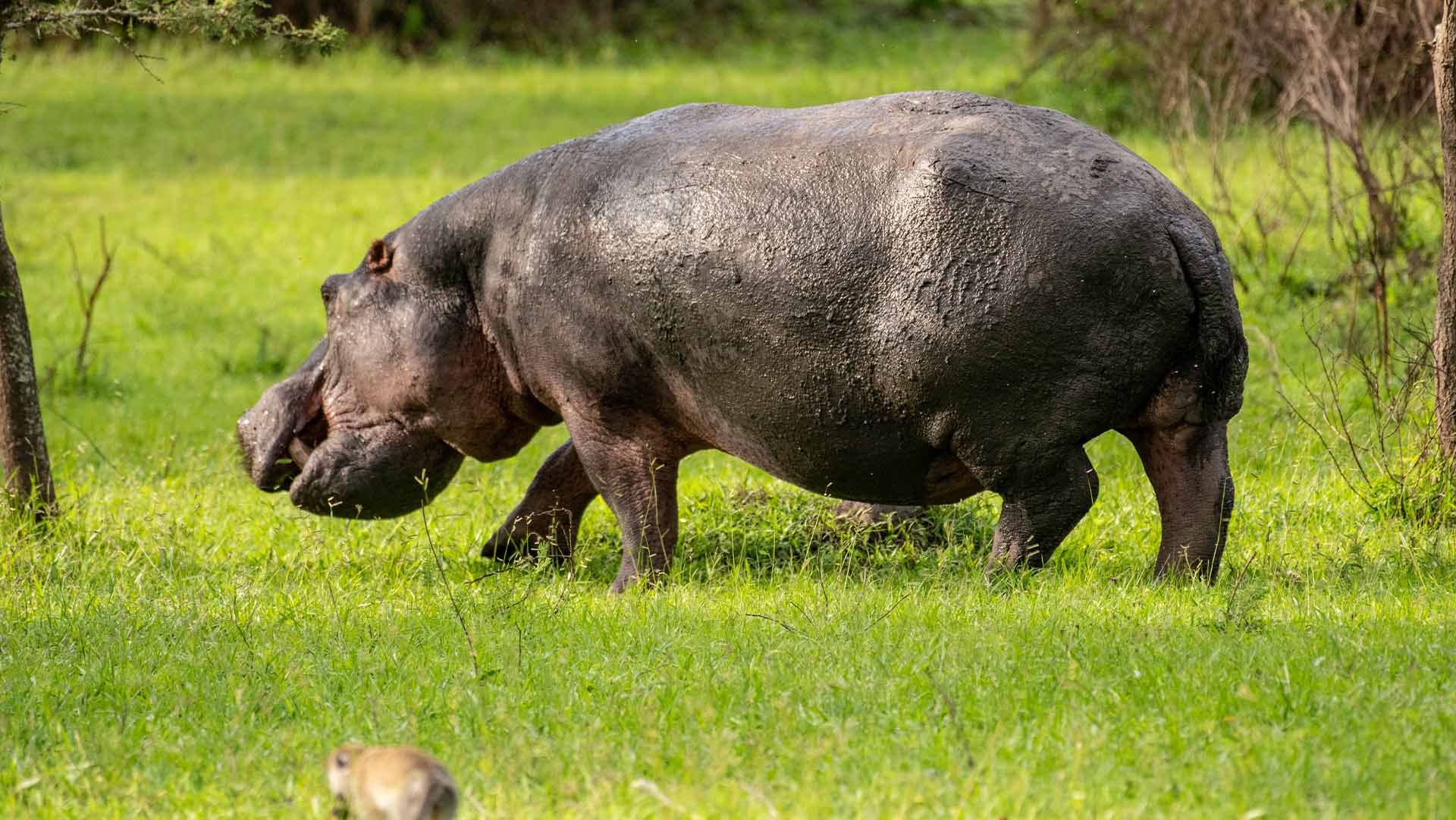
If Uganda were a novel, Queen Elizabeth National Park would be its most colorful chapter. Stretching from the foothills of the Rwenzori Mountains to the shores of Lake Edward, this park is a melting pot of savanna, rainforest, crater lakes, and wetlands. It’s where lions climb fig trees (a rare behavior only seen in a few places on Earth), hippos grunt and jostle in the Kazinga Channel, and elephants roam against a backdrop of volcanic cones. On any given game drive, you might see hyenas, warthogs, waterbucks, and countless bird species. But Queen Elizabeth is not just about what you see — it’s about how you feel. There’s an unshakable sense of magic in the air, especially at dawn when the sun rises over the plains and the bush begins to stir. It’s a place that doesn’t just impress — it lingers in your memory like a story you want to tell again and again.
Kidepo Valley National Park
Kidepo Valley National Park is often called Africa’s last true wilderness, and once you arrive, you’ll understand why. There are no fences here, no highway noises, no herds of tourist vans. Just endless golden plains, jagged mountains, and a silence so profound it feels sacred. Wildlife flourishes undisturbed: lions that stalk through dry riverbeds, ostriches sprinting across the plains, and herds of buffalo stretching to the horizon. Even the drive to get here is an adventure — a test of endurance and curiosity. But those who make the journey are rewarded with one of the most authentic and awe-inspiring safari experiences in Africa. Kidepo is not for the checklist traveler. It’s for those who want to feel Africa, not just see it.
Kibale National Park
If Bwindi is the land of gorillas, Kibale is the cathedral of chimps. This isn’t a place you visit just to tick off another wildlife sighting — it’s a place where you connect with our evolutionary relatives in the most intimate way. Picture this: you’re deep in the emerald canopy of Kibale, thick vines brush your face, the damp earth squelches under your boots, and somewhere ahead, a guide raises his hand — you freeze. A moment later, a low pant-hoot echoes through the trees. Then, like shadows, they appear: chimpanzees — laughing, grooming, leaping from branch to branch with an ease that puts gravity to shame.
This forest is home to over 1,500 chimps and 12 other primate species, making it one of the most diverse primate habitats on Earth. But Kibale is more than a chimp-tracking destination. It’s a living classroom where you witness the social politics of our closest animal relatives, see the silent wars between troops, and feel the pulse of a rainforest that has thrived for thousands of years. Walk longer and you’ll encounter butterflies as large as your hand, birds calling from unseen perches, and trees whose roots tell stories older than any written book. Kibale isn’t just alive — it’s thinking, breathing, watching.
Lake Mburo National Park
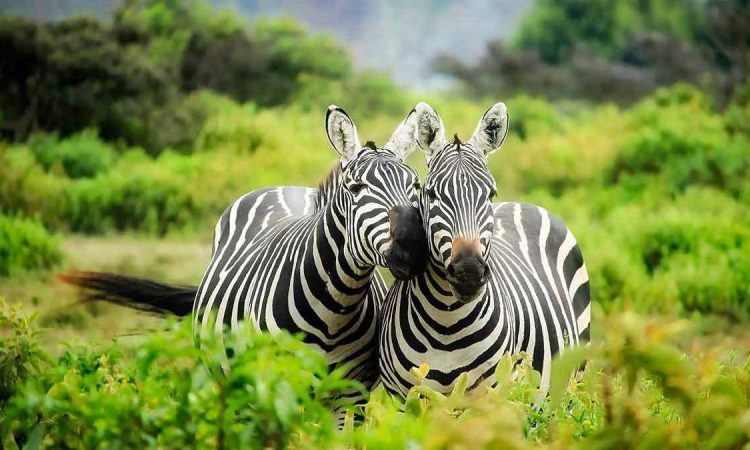
This is Uganda’s smallest savanna park, but it carries itself with quiet confidence. Unlike other parks, here you can explore on foot, not just from the seat of a Land Cruiser. Guided walking safaris take you past grazing zebras, impalas, and elands. You walk at their pace, part of the landscape instead of an observer from the sidelines.
The lake itself is a blue mirror, dotted with hippos and flanked by papyrus reeds that rustle with the movement of shy sitatungas. Boat trips glide past crocodiles, African fish eagles, and families of otters — yes, otters! And as the sun sets, painting the acacia-dotted hills in gold, you’ll feel a rare kind of peace. Lake Mburo isn’t about big kills or viral photo moments. It’s about stillness, about reconnecting with nature in its gentlest form. It’s perfect for first-time safari-goers, bird lovers, cyclists, and anyone who believes that sometimes the softest voices are the ones worth hearing.
Mgahinga Gorilla National Park
Perched on the border with Rwanda and the DRC, where volcanic peaks touch the clouds, lies a park so wild, so dramatic, it feels like a place where myths might still live. Mgahinga Gorilla National Park is Uganda’s smallest protected area — but don’t let size fool you. It’s a crossroads of rare beauty and even rarer species.
Here, you can stand in the shadow of extinct volcanoes and track two of the world’s rarest primates: mountain gorillas and golden monkeys. Yes, both — in the same park. Gorilla tracking here is a more exclusive affair than in Bwindi, often less crowded and more personal. And golden monkey tracking? Pure joy. These energetic, copper-furred creatures dart through bamboo forests with astonishing speed, offering a wildlife experience that’s playful and vivid.
But Mgahinga isn’t just about the animals. It’s spiritual. The locals say “Mgahinga is where Gold meets Silver,” a reference not only to the two primates but also to the volcanic soils and the silver linings of the clouds that roll over its peaks. Climb Mount Sabinyo and you’ll set foot in three countries at once — Uganda, Rwanda, and the DRC — a trifecta of culture, wilderness, and perspective. Here, every trail tells a story, and every peak reminds you how small — and yet how connected — we all are.
Uganda is not a place it is a feeling
When people think of African safaris, they often default to the Serengeti or the Maasai Mara. But Uganda? Uganda surprises you. It’s the place where waterfalls roar like thunder, where forests hum with ancient wisdom, and where a gorilla’s gaze can unmake everything you thought you knew about “wildlife tourism.”






We'll get back to you within 24-48 hours.
Direct inquiries: info@africanibisadventures.com | +256 709 702 685