Gorilla trekking in Uganda
By admin • August 30, 2025
1. Introduction
It all began with a documentary I stumbled upon late one night — flickering images of mist-shrouded mountains, dense jungles, and the steady, intelligent gaze of a silverback gorilla. Something about that moment stuck with me. Years passed, but the idea of standing face-to-face with one of our closest wild relatives refused to fade. When I finally made it to Bwindi Impenetrable National Park in Uganda, it was more than just checking something off my bucket list — it was a lifelong dream coming to life.
Nestled in the southwestern corner of Uganda, Bwindi is one of the most biologically diverse rainforests in the world — and one of the last remaining strongholds for the endangered mountain gorilla. Trekking here isn’t just about adventure; it’s about contributing to something bigger.
2. The Experience
The name “Impenetrable” isn’t just for show. The trek into the forest began early in the morning with a briefing at the park headquarters. After being assigned to a gorilla family and guide, our small group set off into the dense undergrowth. There were no clear trails — only narrow, muddy footpaths carved by trackers.
Bwindi’s terrain is no joke. Steep slopes, tangled roots, thick vines, and sudden bursts of tropical rain tested both my stamina and spirit. But with each step deeper into the jungle, the sense of anticipation grew. Along the way, we saw chattering monkeys, vibrant butterflies, and bird calls that echoed like a rainforest symphony.
Then suddenly, we stopped.
The Gorillas
Our guide signaled us to leave our bags and cameras behind as we approached slowly. Just ahead, lounging under a thick canopy of leaves, was a family of mountain gorillas. My breath caught as I saw the silverback — massive, calm, and watchful — eyeing us with what felt like ancient wisdom.
For one full hour, we simply observed. Babies clambered playfully on their mothers’ backs, juveniles swung from vines, and the silverback occasionally grunted or shifted his weight. It was quiet, respectful, and utterly surreal. The forest around us faded away — it was just us and them, sharing a fragile peace.
3. What You Need to Know Before You Go
Permits & Cost
A gorilla trekking permit in Uganda costs $800 USD per person (as of 2025) and is mandatory. This fee isn’t arbitrary — it funds ranger salaries, anti-poaching efforts, community outreach, and habitat conservation. Permits must be booked months in advance through the Uganda Wildlife Authority (UWA) or a licensed tour operator, as only a limited number are issued per day to protect the gorillas.
Packing Essentials
- Hiking boots with ankle support — the trail is steep and slippery
- Rain jacket — it’s a rainforest after all
- Long pants and sleeves — to guard against bugs and thorny plants
- Gardening gloves — helpful when grabbing onto vines and branches
- Reusable water bottle — hydration is key
- Snacks — energy bars come in handy during long treks
- Camera (no flash!) — for those once-in-a-lifetime photos
Accommodation & Travel
There are plenty of eco-lodges and guesthouses near Bwindi, ranging from budget to luxury. I stayed at a mid-range lodge with incredible views of the forest canopy and warm hospitality.
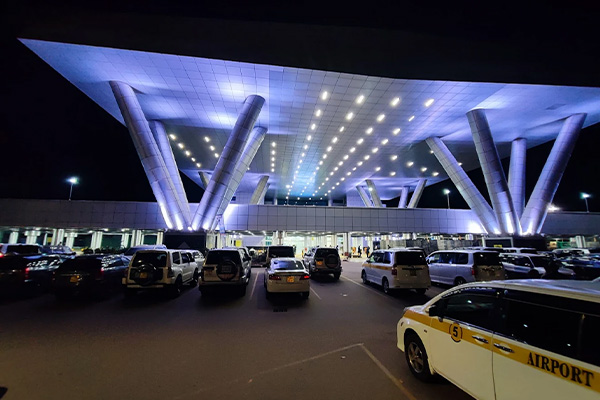
To get there, you can either fly into Entebbe International Airport and take a domestic flight to Kisoro or Kihihi, or embark on a 9-10 hour drive from Kampala. Though the road trip is long, it’s scenic and gives you a taste of rural Uganda.
4. Why Your Visit Matters
Gorilla trekking isn’t just tourism — it’s conservation in action. The presence of trekkers has helped shift local attitudes from viewing gorillas as threats or bushmeat to seeing them as national treasures. Communities around Bwindi receive a portion of the permit revenue, which supports schools, health centers, and employment.
Strict rules (like the one-hour time limit and 7-meter distance) are enforced to minimize stress and prevent disease transmission to these vulnerable primates, who share 98% of our DNA.
By trekking responsibly, you’re not just witnessing nature — you’re protecting it.
5. Conclusion: A Transformative Encounter
Trekking to see mountain gorillas isn’t just an adventure — it’s a humbling, spiritual experience. Being in their presence, seeing their familial bonds, their curiosity, and their sheer power, changes how you see the natural world.
This isn’t something you do just to post on Instagram — it’s something that stays with you, quietly shaping your understanding of wildlife and your place within the planet.
So if you’re looking for a travel experience that inspires, challenges, and gives back, gorilla trekking in Bwindi should be at the top of your list. It’s more than a journey into the forest — it’s a journey into the wild heart of humanity.





We'll get back to you within 24-48 hours.
Direct inquiries: info@africanibisadventures.com | +256 709 702 685