9 Day Kilimanjaro Climb Machame Route
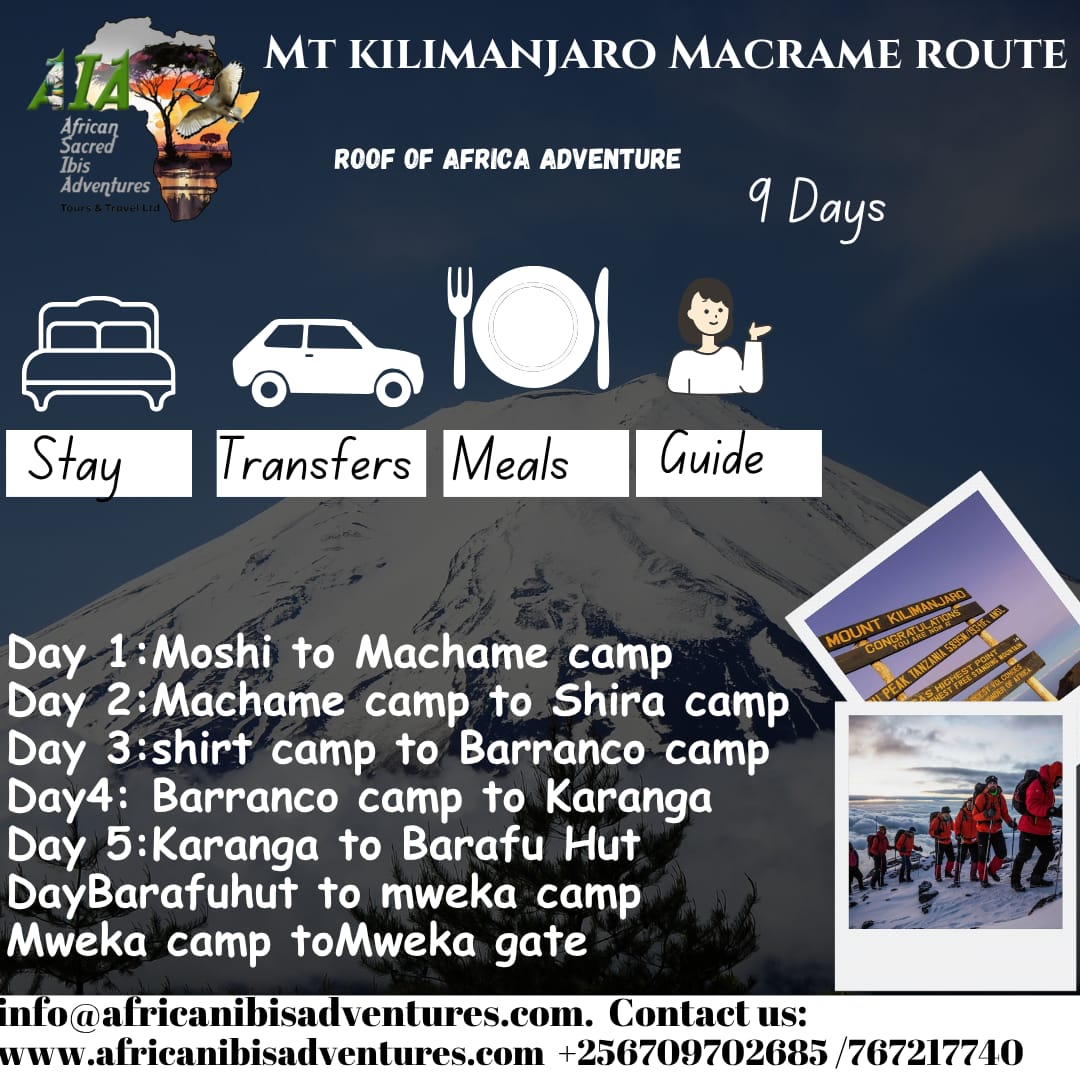
This route is sometimes called the Whisky Route and it’s a popular route up steep paths through magnificent forests to gain a ridge leading through the moorland zones to the Shira Plateau. It then traverses beneath the glaciated precipices of the Southern Ice fields to join the Barafu Route to the summit. Accommodation on the mountain is in tents, which the porters will pitch for you. You will need a sleeping bag, warm clothes and walking poles. This is a steep, tough trek within the limits of a fit individual used to walking in mountain areas.
Along the way, trekkers are rewarded with breathtaking views of Mount Kilimanjaro’s diverse landscapes—from lush rainforests and heather moorlands to alpine deserts and icy glaciers near the summit. Each day offers a new challenge and a new perspective, making this route ideal for adventurers seeking both physical endurance and unforgettable scenery.
Arrive at the Kilimanjaro International Airport, you will be picked up and transferred to the springsland for overnight, full board
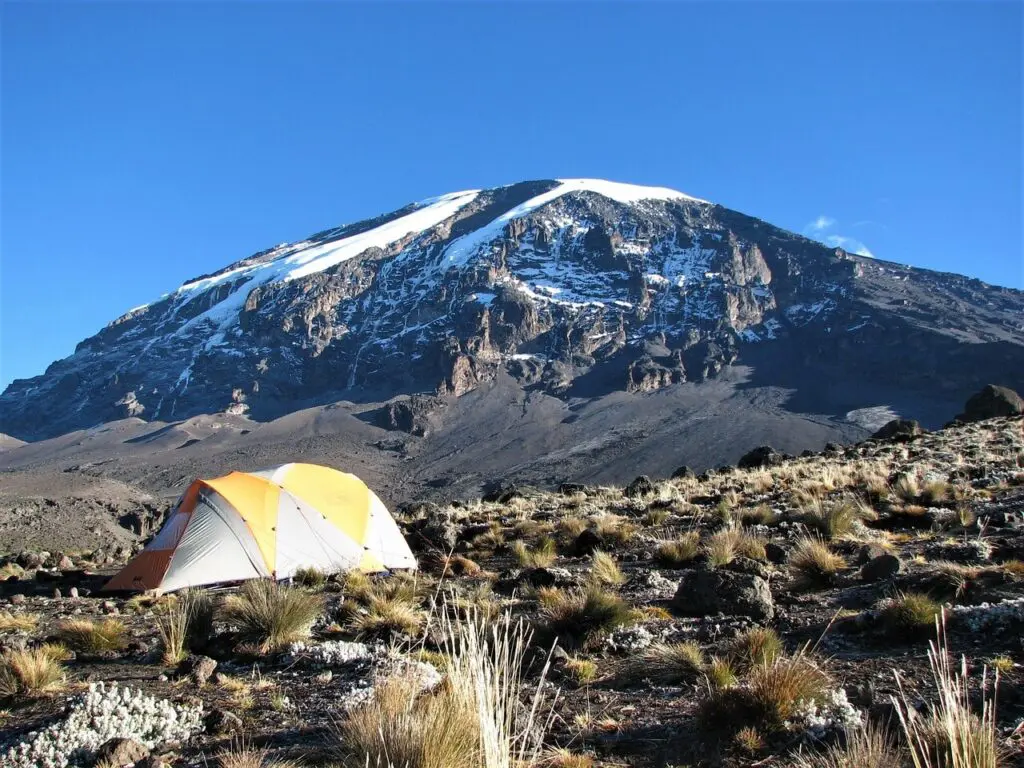
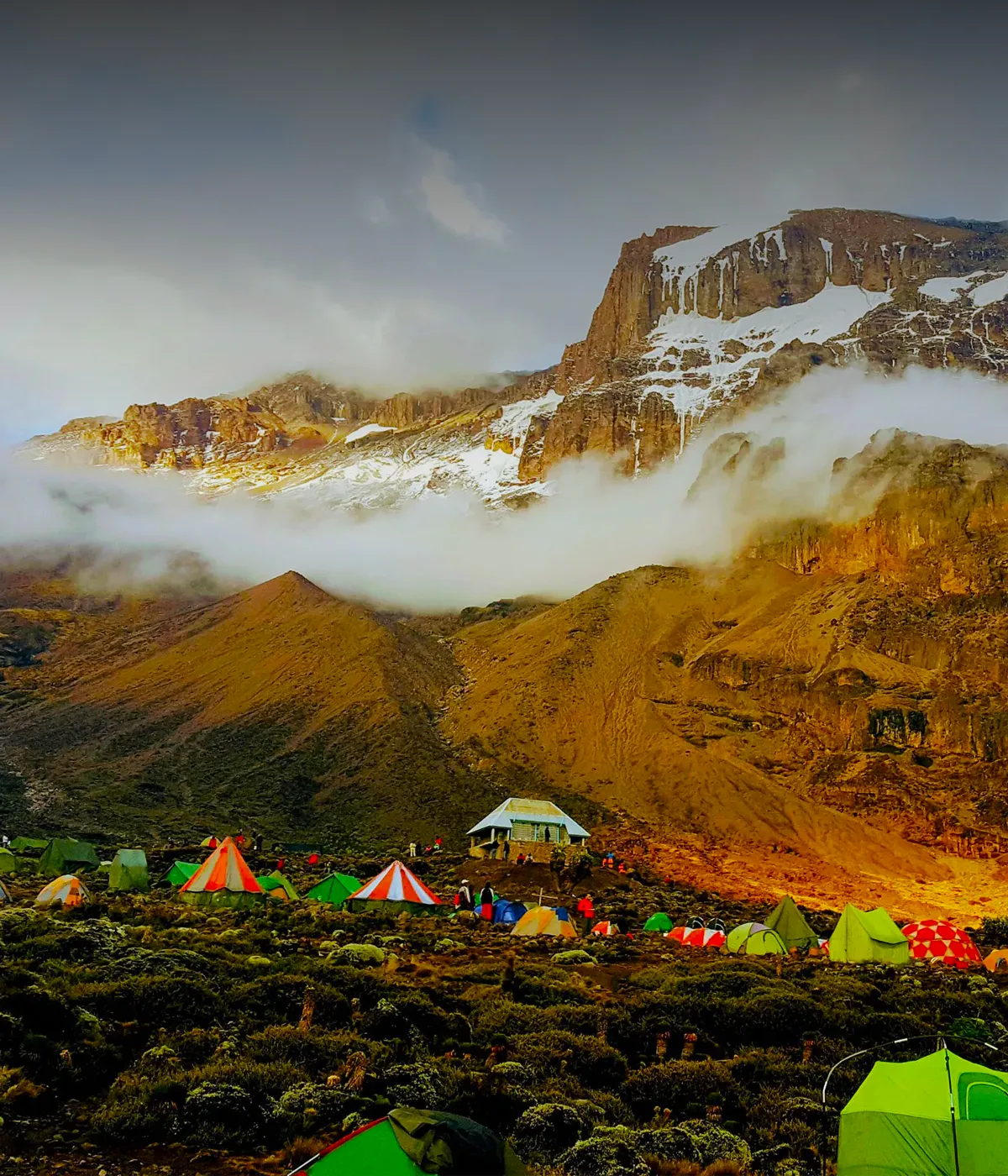
Your day will start early with a briefing, followed by breakfast and a 45-minute drive from Moshi (910m) to the Machame village (1490m). The guides and porters prepare and pack the supplies and your equipment in the village. Depending on the condition of the road, it is possible to drive from the village to the Machame gate, but if not, the muddy 3 km walk will take about 1 hour to complete. After registering at the gate office, you start your ascent and enter the rain forest. You will receive a lunch pack at the gate and you can also drink bottled water you bought at Springlands Hotel in Moshi. There is possibility of rain in the forest, which will transform the trail into a very soggy, muddy and slippery experience. In the evening the porters will boil drinking and washing water and the cook will prepare dinner, before you retire to your tent for the night. Night temperatures can already drop to freezing point at Machame campsite.
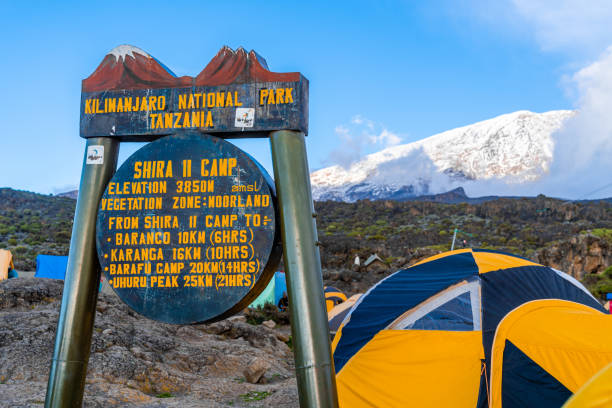
You will rise early at Machame camp and after breakfast you climb an hour or so to the top of the forest and then for 2 hours at a gentler gradient through the moorland zone. After a short lunch and rest, you continue up a rocky ridge onto the Shira plateau. By now you will be able to see in an easterly direction, the Western Breach with its stunning glaciers. You are now due west of Kibo and after a short hike you will reach the Shira campsite at 3 840m. The porters will boil drinking and washing water, before serving dinner. The night at this exposed camp will even be colder than the previous night, with temperatures dropping to well below freezing.
The route now turns east into a semi desert and rocky landscape surrounding Lava Tower, where you reach an altitude of 4630m after about a 5 hours walk. Lunch is served in a designated area before ascending the rocky scree path to Lava Tower (4630m). Definitely the toughest day so far. It is normally around this point, where for the first time, some climbers will start to feel symptoms of breathlessness, irritability and headaches. After lunch you descent again by almost 680m to the Barranco camping area and after reaching the high altitude of 4600m at Lava Tower, the true acclimatization benefit of this day becomes clear. This descent to Barranco camp takes about 2 hours and offers great opportunities to take some beautiful photographs of the Western Breach and Breach Wall. The camp is situated in a valley below the Breach and Great Barranco Wall, which should provide you with a memorable sunset while you wait for the preparation of your dinner and overnight at Barranco Camp site.
Karanga Camp FOR ACCLIMATIZATION
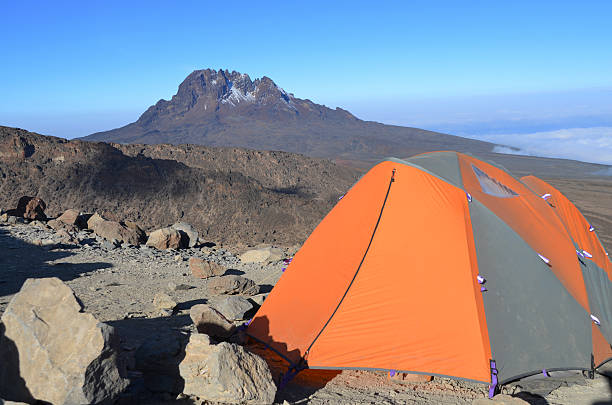
Totally exposed to the ever-present gales the tents are pitched on a narrow, stony, and dangerous ridge. Make sure that you familiarize yourself with the terrain before dark to avoid any accidents. The summit is now a further 1345m up and you will make the final ascent the same night. Prepare your equipment, ski stick and thermal clothing for your summit attempt. This should include the replacement of your headlamp and camera batteries and make sure you have a spare set available as well. To prevent freezing it will be wise to carry your water in a thermal flask. Go to bed at round about 19h00 and try to get some precious rest and sleep for not more than 5 Hours.
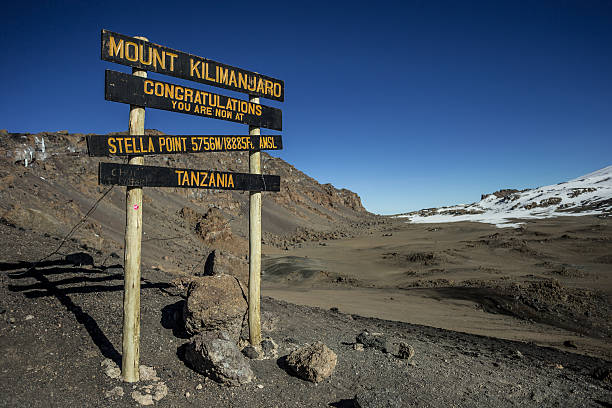
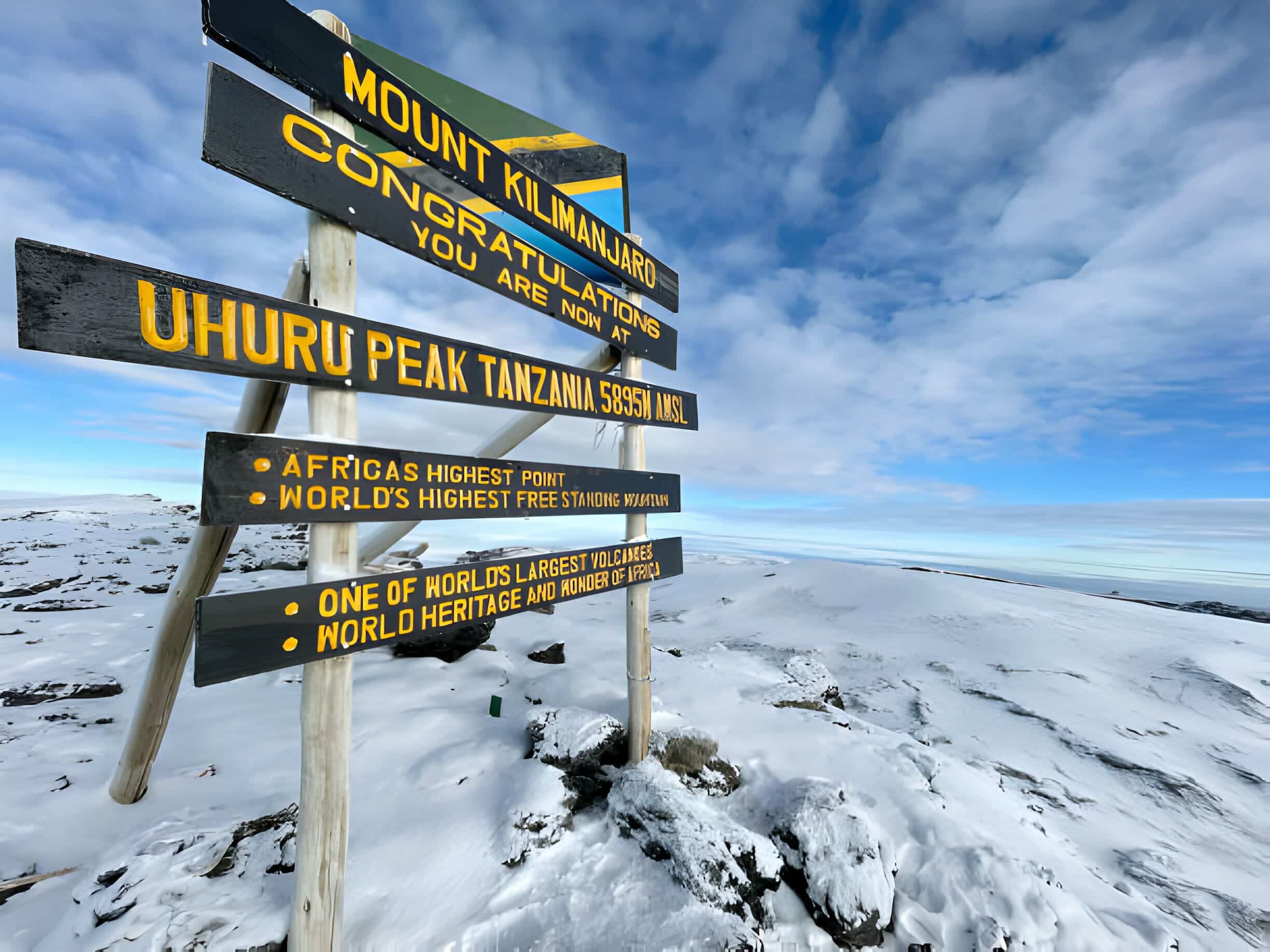
You will rise around 23h30, and after some tea and biscuits you shuffle off into the night. You will head in a northwesterly direction and ascend through heavy scree towards Stella Point on the crater rim. This 6-hours walk to Stella point is for many climbers, mentally and physically the most challenging on the route. At Stella Point (5685m) you will stop for a short rest and will be rewarded with the most magnificent sunrise you are ever likely to see (weather permitting). From Stella Point you will normally encounter snow all the way on your 2-hour ascent to Uhuru Peak. The time you will spend on the summit will depend on the weather conditions. Do not stop here for too long, as it will be extremely difficult to start again due to cold and fatigue. Enjoy your accomplishment and a day to remember for the rest of your live. The walk back to Barafu from the summit, takes about 3 hours. Here you will have a well-earned but short rest and collect the rest of your gear, before heading down to Mweka Camp (3100m) for Dinner and Overnight.
After Breakfast, From the Mweka Gate you will continue down into the Mweka village, normally a muddy and long hour walk. In the Mweka village drive to Springlands Hotel and you will be served a delicious hot lunch!! You now drive back to Moshi for a long overdue hot shower, Overnight in Springlands hotel, full board. It is recommended and tips are highly appreciated at the end of their trip. Tips can be given to the Guide at Springlands Hotel. This is also where successful climbers receive their summit certificates. Those climbers who reached Stella Point (5685m) are issued with green certificates and those who reached Uhuru Peak (5895m) receive gold certificates.
Check out at the hotel and transfer to the airport for the flight back home.
- 2 Nights’ accommodation at Springlands Hotel – Full Board Basis
- All park fees
- National Park approved guides and porters
- 18% VAT
- Accommodation on the mountain (Three-man mountain tents used for two people only on all routes except for Marangu Route as accommodation is in huts.) Stools, a mess tent and hot water for washing are provided on the mountain.
- Meals on the mountain
- Transport from Moshi at Springlands hotel to the Starting point of the mountain and return to Moshi at Springlands hotel
- Tips to driver, porters and guide
- Airport Transfers
- Visas
- Insurance
- Items of personal nature
- Climbing gear – sleeping bags, shoes etc.
Health Requirements
Please note you will need a Yellow Fever Inoculation, this must be done no later than 10 days prior to departure. If you have had any previous history of Liver Disorders you must consult your physician first. Malaria prophylactics are a must.
TIPPING
Tipping is highly appreciated at the end of safari/ hiking:
Tips will vary depending on the length and complexity of the trip, the number of staff on the trip and the number of clients on the trip. Generally, groups like to meet before the end of the trek to discuss how much they would like to tip each staff member based on their individual trek experience.
You should prepare an envelope after your trek for your tip money at the Springlands Hotel.
You can use US dollars, Euros, TZ Shillings or a combination of these. The envelope will be submitted to mountain coordinator;
The following are daily rates for each climber recommended to tip per staff member:
- Per Chief Guide: $15- 20 Per day
- Per Assistant guide: $10- 15 Per day
- Per Cook$10 Per day
- Per Porter: $8-10 Per day
RECOMMENDED TIP:
Each climber should expect to tip between US$ 250 – US$ 350 for the entire climb.NB: THESE ARE JUST GUIDELINES AND TIPS CAN BE GIVEN TO SAFARI STAFFS/MOUNTAIN CREW PER SERVICES PROVIDED.
For Marangu you will have:
- 1 guide and 1 cook for each 8 climbers, 1 extra assistant guide per each
- 3 climbers, 2 porters per climber
- The pack that the porters carry is limited to 15 kg (35 pounds)
- Store electronics in sealed water-proof bags (double sealed if possible)
- Wrap clothing in plastic bags
- In the day pack, take along water, camera, binoculars, rain pants and jacket at a minimum. Add any other items you might need during the day because you may not see the porters until the end of your trek for that day.
(Personal Things for Clients to remember)
- Jersey
- Waterproof jacket
- Water proof pants
- Shorts
- T-shirts
- Jeans
- Warm jacket
- Thermal underwear
- Balaclava
- Gloves
- Sunglasses
- Woolen socks
- Hiking boots
- Light shoes
- Cap/hat
- Towel
- Underwear
- Socks
- Passport
- Yellow fever certificate
- Entrance visa
- Medical insurance
- Sleeping bag
- Day pack
- Water bottle
- Toilet paper
- Torch and batteries
- Pocket knife
- Energy drinks
- Chocolate
- Sweets
- Fruit
- Nuts
- Energy snacks
- Camera
- Spare batteries
- Film
- Different lenses
- Video camera
- Binoculars
- Video tapes
- Aspirin
- Assorted plasters
- Sun protection cream
- Anti-malaria tablets
- Insect repellent
- Lip salve
- Water purification tablets
- Antiseptic cream
- Bandages
- Adhesive tape
- Throat lozenges
- Toothbrush& paste
- Matches
- Candles
- Soap
- Address book
- Travelers cheques
- Travel insurance
- Miscellaneous
- Walking stick
- Notebook
- Pens
- Plastic bags
- Pencils
- Cash dollars (smaller bills)
- Be sure to break in your shoes before the hike.
- Take trekking shoes for hiking during the day, preferably warm (leather), waterproof, and with ankle-support
- Take tennis shoes or sandals for lounging in the evening
- Gaiters
- Hiking socks
- Wool socks
- Rucksack/Daypack: $ 15
- Balaclava:$ 8
- Mont bell Sleeping Bag –25-35C.Temp$ 40
- Poncho – Heavy/Western/Europe $ 18
- Poncho – Light/Local: $12
- Socks: $ 4
- Duffel Bag: $ 10
- Hiking Poles (2) $ 15
- Gaiters: $ 10
- Torch/Flashlight (We have Few) $ 25
- Gloves: $ 10
- Sweater $ 8
- Sunglasses (We have Few in Store): $ 15
- Long Underwear (We have Few) $ 8
- Raincoat: $ 15
- Raincoat - G.T, Waterproof $ 15
- Rain Pants: $ 15
- Hiking Boots: $ 20
- Water Bottle: $ 18
- Fleece Pants: $ 10
- Warm Jacket G.T: $ 15
- Warm Jacket/Down Jacket $ 15
- Hat or Neck Scarf: $ 8
- Sunglasses are available for purchase in the gift shop for $ 12 - $15.
- Each Oxygen Cylinder - available for $ 50 @ group of 4 pax.
- Hyperbaric Pressure Bag (Gamow Bag): $250/group.
- Private (portable/tented) toilet: $ 120 @ group of 4 pax.
African Sacred Ibis Adventures is not liable for any expenses or losses incurred from clients purchasing flight tickets or making individual travel arrangements prior to receiving official confirmation of the trip and verified flight details from our team.
